 GermanyBusiness & Startups
90% of tariff lines cut, but 3 hurdles stay for Indian firms in Germany
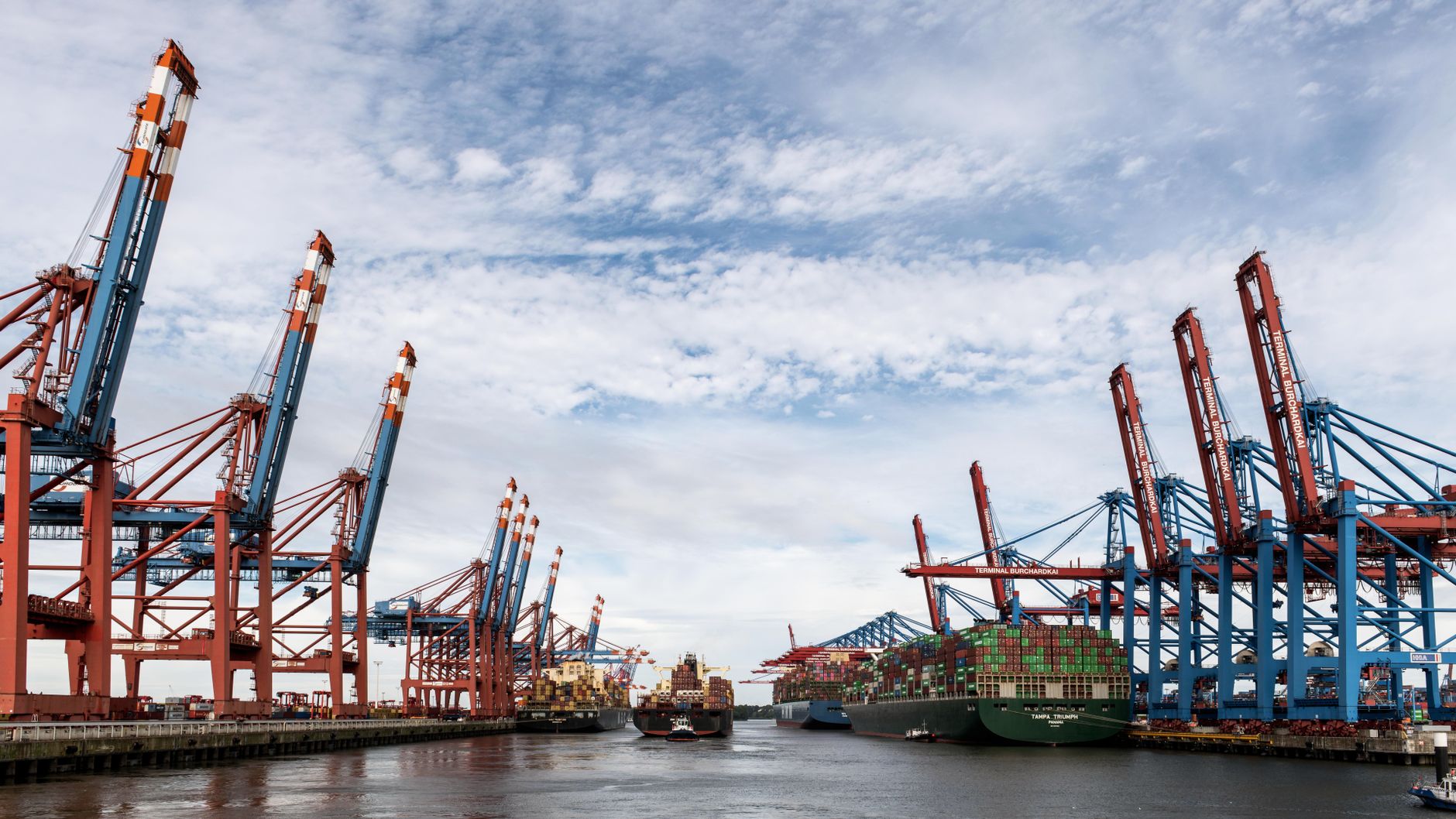
The India-EU deal cuts duties on 90% to 95% of tariff lines. Product rules, data rules and supply chain checks stay as hard as before. Here is what to prepare now.
In this article
- When does the India-EU trade deal start?
- Why is the deal urgent for Indian goods?
- Which sectors gain from the India-EU FTA?
- What stays hard for Indian-run businesses in Germany?
- Product rules and certificates
- Data rules and GDPR
- Supply chain and climate rules
- What should you prepare now?
- Who can you ask for official answers?
The India-EU trade deal now has dates. Talks ended on 27 January 2026, and the formal signing is expected on 16 December 2026. If you run a business in Germany with Indian roots, this affects your costs.
In our earlier post, Goyal's €310 billion target: what founders in Germany should do now, we covered the big trade target and the first steps for founders. That post did not cover what stays hard. This one does.
The short version: duties fall, but paperwork doesn't. For most Indian-run businesses in Germany, the paperwork is the bigger cost.
When does the India-EU trade deal start?
Three dates matter.
- 27 January 2026: the talks ended.
- 16 December 2026: the deal is expected to be signed.
- Q1 2027 (March or April): the deal is expected to start working, but only after the European Parliament approves it.
Talks began in 2007, stopped in 2013 and restarted in 2022. So read "expected" as expected, not as promised.
Signing is not the same as the deal being in force. Until it is legally in force, today's duties apply.
Why is the deal urgent for Indian goods?
The EU has suspended GSP benefits for several Indian product categories for 2026 to 2028. GSP is a scheme that gives developing countries lower import duties. When it stops, Indian goods can face the normal duty rate for countries without a trade deal. This rate is called MFN (most favoured nation).
Without the FTA, up to 87% of Indian exports to the EU could eventually face full MFN duties. That is why the tariff cuts in this deal matter so much right now.
If you import from India into Germany, this is the risk to your margins. The FTA is the main fix for it.
Which sectors gain from the India-EU FTA?
The deal reduces or removes duties on 90% to 95% of tariff lines. A tariff line is one product category in the customs list. Each line has its own duty rate.
These sectors are named as gainers:
- Advanced manufacturing and precision engineering
- Digital technologies, AI and semiconductors
- Green hydrogen
- Medtech and pharmaceuticals
- Textiles and agricultural exports
What does this mean for you in practice? Lower duties and easier customs steps should lower your landed cost. Landed cost is the full price of a product once it reaches your warehouse. It includes the purchase price, shipping, duty and customs fees.
Here is one example with a number. India's duty on European medical and surgical equipment is now up to 27.5%. Under the deal, it falls to 0% on 90% of the relevant lines. If you sell European medical equipment to buyers in India, your price to them can fall.
If you run a tech company, the deal also makes digital trade easier. But read the data section below before you plan around it.
What stays hard for Indian-run businesses in Germany?
This is the part our earlier post missed. A lower duty does not change what you must prove to German customers and authorities.
Non-tariff barriers are rules that are not about duty, like certificates, reporting and data privacy. They stay the main challenge. For Indian-run businesses in Germany, they are also the main cost.
Product rules and certificates
The FTA does not make testing the same in both places. Many certificates from Indian laboratories are not recognised in Germany. So a product tested in India may need testing again in the EU.
Your products must still meet EU safety standards. They still need CE marking (the label that says a product meets EU safety rules). You may also need certifications like EcoVadis (a rating of how responsibly a company works).
My advice: don't assume that a cheaper duty means a faster launch. Check the product rules first, and start testing early.
Data rules and GDPR
The deal makes digital trade easier. It does not weaken data protection. GDPR (the EU data protection law) still applies in full.
India has not received "data secure" status from the EU. Without it, you still need a legal tool to send personal data from Germany to India. A common tool is Standard Contractual Clauses, which are standard contract terms approved by the EU.
This matters if your business moves personal data between Germany and India. The FTA does not exempt you.
Supply chain and climate rules
Your German customers have their own legal duties. Those duties reach you as their supplier. Here are the rules and dates:
| Rule | What it means | Date |
|---|---|---|
| CBAM (EU Carbon Border Adjustment Mechanism) | Importers of Indian steel, aluminium and cement must give verified emissions data | Definitive phase started 1 January 2026 |
| LkSG (German Supply Chain Act) | German companies must check risks at suppliers in India. The reporting duty is paused until a law change. | Duties apply now |
| EU Forced Labour Regulation | Rules against products made with forced labour | 14 December 2027 |
| CSDDD (EU supply chain law) | Strict environmental and human rights checks reach Indian suppliers | 26 July 2029 |
Note the LkSG detail. The reporting duty is paused for now, but the duty to check suppliers is not. German buyers still have to check their suppliers. So they will still ask you questions.
What should you prepare now?
You have time before the deal starts. Use it on things that help you whether the deal starts on time or late.
- Don't price on assumed savings. Wait until the FTA is legally in force. Then check if your product qualifies under the rules of origin. These rules decide where a product counts as "made". One example is proving substantial transformation or 40% value addition in India.
- Build an evidence file for German customers. This helps you answer LkSG and CBAM questions.
- Ask your Indian suppliers now. Can they give verified emissions data? Can they give geolocation data for the deforestation rules? Suppliers who can't will slow you down.
- Check your data transfers. List what personal data moves between Germany and India. Make sure you use Standard Contractual Clauses or another valid tool.
- Check your product certificates. Find out which Indian lab reports a German buyer will accept. Plan for EU testing where they won't.
Who can you ask for official answers?
Ask the official bodies. Don't rely only on a supplier's word.
- German Customs (Zoll) for duties and rules of origin.
- BAFA, the Federal Office for Economic Affairs and Export Control, for LkSG and CBAM questions.
- Access2Markets, the European Commission portal, for product-specific rules.
Still planning your company? Read our post on the 100-member Goyal team in Germany. It shows the business side of this visit.
One next step before 16 December: write to your top three Indian suppliers and ask for verified emissions data. Their answer will show how ready your supply chain is, long before any duty falls.
Cover photo: Wolfgang Weiser on Pexels
Is something in this post out of date? Help keep it accurate.
Suggest an updateComments (0)
Loading comments…