 GermanyCommunity News
26 years from a scholarship to Hannover's deputy mayor: Bala Ramani
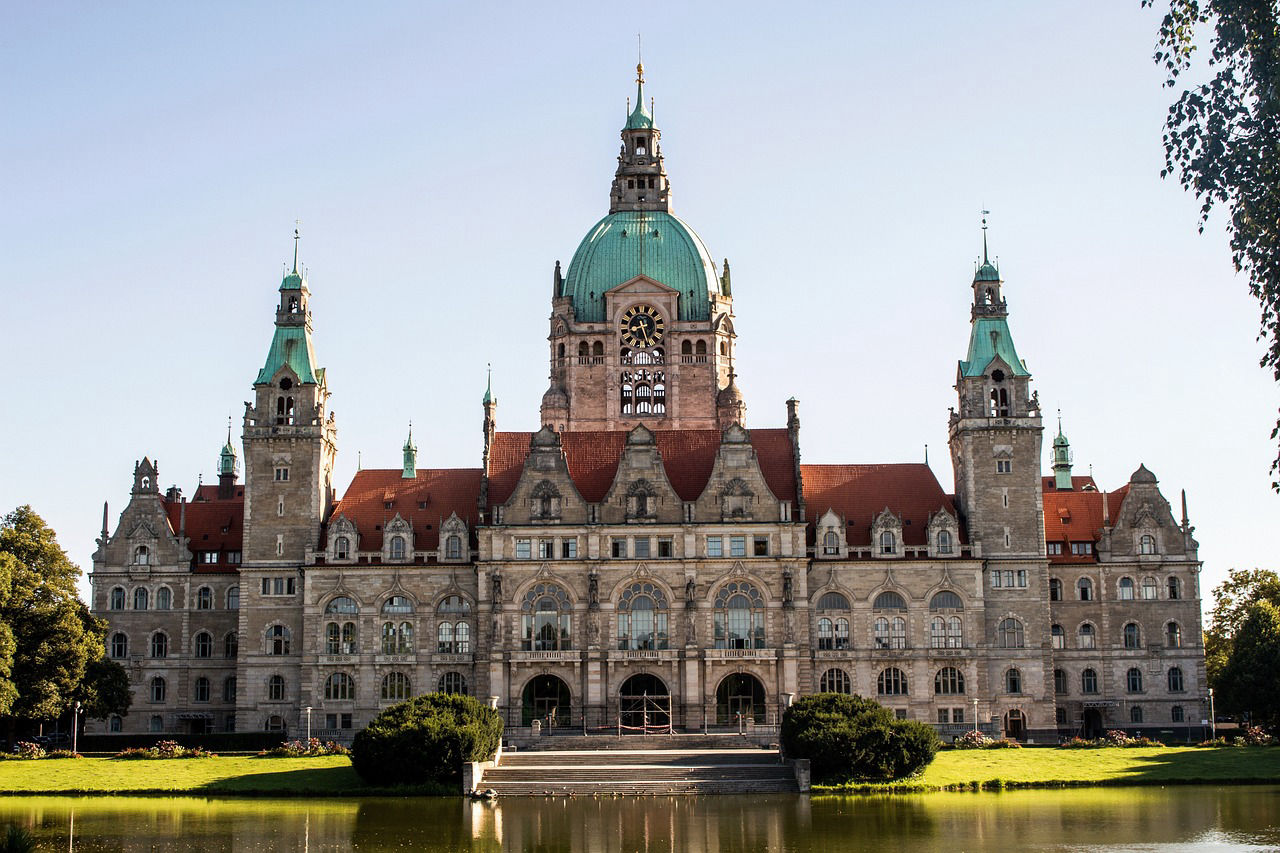
Dr. Bala Ramani, born in Tamil Nadu, is now First Deputy Mayor of Hannover. See how he got there and how you can take part in your own city.
In this article
On Thursday, 5 November 2026, the Hannover City Council elected Dr. Bala Ramani as First Deputy Mayor (1. Bürgermeister) of the city. He was born in Tamil Nadu and belongs to the SPD, a German political party.
If you are an Indian living in Germany, his story shows one clear way to get a voice in your city. Here is how he got there.
What happened in Hannover?
Hannover has three honorary mayors (ehrenamtliche Bürgermeister), who do the job alongside their other work. They serve with Lord Mayor (Oberbürgermeister) Belit Onay.
The council elected Dr. Ramani together with two others. They are Uta Engelhardt of the Greens and Patrick Hoare of the CDU.
His term is five years, for the 2026 to 2031 period. Hannover is the capital of Lower Saxony (Niedersachsen). In his new role, he will represent the city at official ceremonies, receptions, commemorations and civic events.
Who is Dr. Bala Ramani?
He moved to Hannover in 2000 on a university scholarship. He is a trained marine biologist. He earned his doctorate in marine botany at Leibniz University Hannover. Since 2011, he has worked as a permanent staff member at the university's International Office.
He also built community groups for Indians. He founded the Indian Association Hannover. He started the Indian Students in Germany (ISG) network, together with the Indian Embassy.
In 2015, he campaigned successfully to put a Mahatma Gandhi bust in Hannover's Maschpark.
His political career began in 2012, when he joined the SPD. In 2016, he was elected to the local district council. Since 2021, he has served on the Hannover City Council. Recently he was co-chair of the SPD group (Fraktion), which is the party's team of council members.
In 2021, the President of India also gave him the Pravasi Bharatiya Samman Award. It is the highest honour India gives to overseas Indians.
What did the Indian Embassy say?
The Indian Embassy in Berlin congratulated him on 11 November 2026, in a post on X (Twitter). Ambassador Ajit Vinayak Gupte called the election a:
"proud moment for the Indian Diaspora in Germany and milestone in India-Germany relations."
Why does this matter for Indians in Germany?
Indian-origin politicians have reached the highest levels of government in other European countries, such as the UK and Ireland. In Germany, Indian political representation has been much lower. A place on the mayoral team of a state capital is a rare step for our community.
My own view: the title is not the useful part. The order of events is.
He did not jump straight into a party office. He arrived in 2000, worked at a university and built Indian community groups. He joined the SPD in 2012, then won a district council seat in 2016, then a city council seat in 2021. From arrival to this election, it took 26 years.
That is slow. But it is a path you can see, and you can take the first step this year.
Many of us stay in a small circle of Indian friends and work colleagues. That feels normal when you arrive. But city decisions affect our daily lives too, and someone from our community should be in the room.
How can you take part in your own city?
You don't need to aim for mayor. Start small and local.
- Join a local party chapter (Ortsverein). This is the local branch of a party. One example is the SPD Ortsverein Hannover-Mitte und Calenberger Neustadt.
- Run for, or follow, your integration council. Your city may have an Integrationsrat or Migrationsbeirat, a council that works on integration (helping newcomers settle in). Check your city's website.
- Join a migrant self-organisation. These are called Migrant*innenselbstorganisationen, which means groups run by migrants themselves. They speak up for diversity, social cohesion and equal chances at city level.
- Use your university. Students and young professionals can talk to the International Office or join ISG. You can build local ties and speak up for international student rights.
Check the rules in your city before you plan anything, because your status may affect what you can do. Citizenship is a separate topic. We cover it in our post on German citizenship.
If you are a student, also read our post on Indian students in Germany. More of us here means more people who can take part.
Your next step
This week, search your city's website for its Integrationsrat or Migrationsbeirat. Find out who runs it and when it meets. Learning how it works is a real first step.
Cover photo: connormik on Pixabay
Is something in this post out of date? Help keep it accurate.
Suggest an updateComments (0)
Loading comments…